Featured
Table of Contents
Image from: Every UX case study is a distinctive narrative about your endeavor and previous works.
Personal Privacy Preference CenterWhen you visit sites, they might store or obtain data in your browser. Privacy is important to us, so you have the choice of disabling certain types of storage that might not be needed for the standard performance of the site.
Advertising networks generally place them with the site operator's authorization. These products allow the website to keep in mind choices you make (such as your user name, language, or the region you are in) and supply enhanced, more personal functions.
This storage type generally doesn't collect information that identifies a visitor.
Building a High-Impact Corporate Portfolio
The post highlights how UX case research studies reflect strategic style options that result in quantifiable enhancements in product performance. Each example follows basic UX concepts like clarity, consistency, and version that use across markets. Readers get insight into using methods from widely known case research studies to their own UX difficulties, regardless of product size or scope.
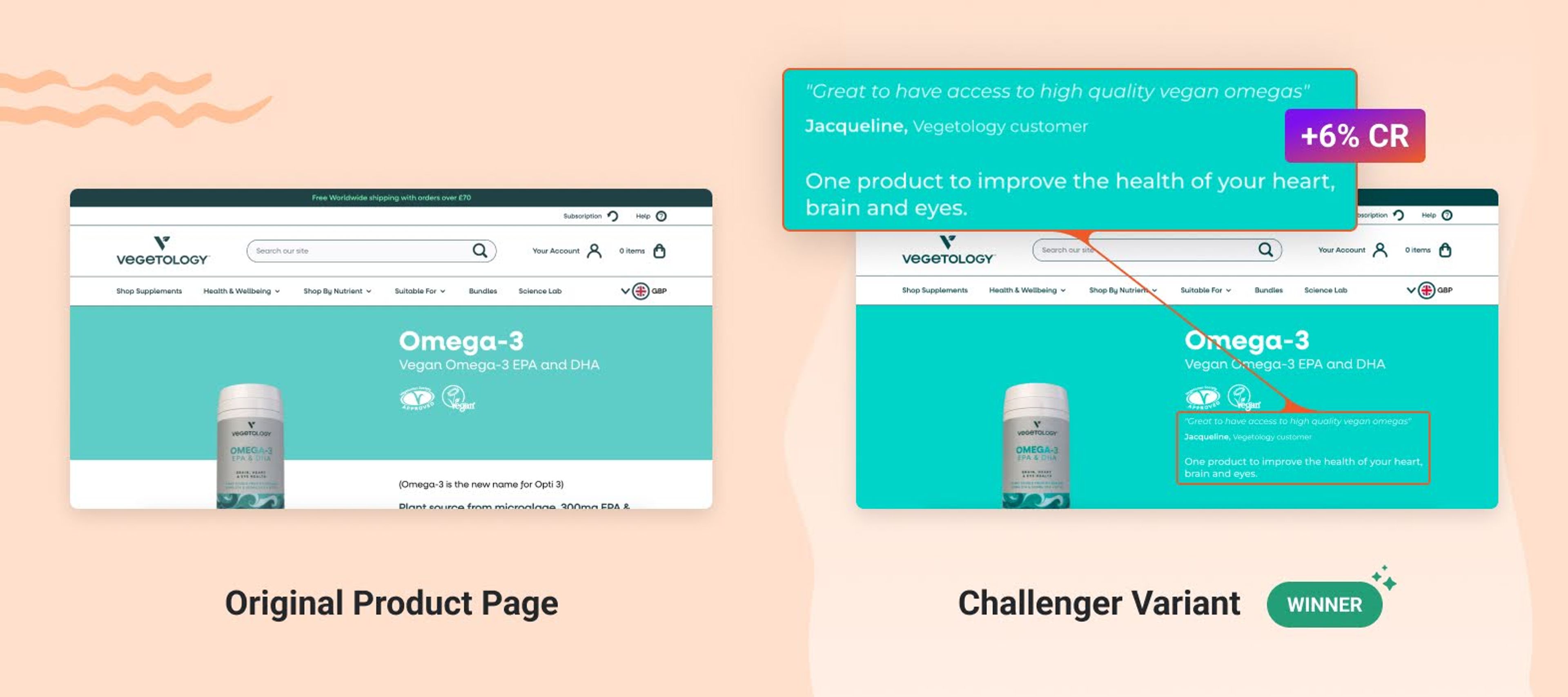
It's how it works, how it guides individuals, and how it makes them feel while using it. UX case research study examples are effective due to the fact that they offer us a front-row seat to the thinking behind that kind of impact. They reveal how groups determined issues, checked out user requirements, and made style decisions that improved entire item experiences.
At Oddit, we specialize in turning product friction into clearness. Our team dives deep into live user interfaces and discovers the small style decisions that lead to huge modifications.
They assist reveal the thinking behind interface choices, design modifications, and performance tweaks that frequently cause major improvements in user experience. In item style, great UX isn't optional. It directly impacts user engagement, satisfaction, and retention. Evaluating well-documented UX case research studies gives designers, product managers, and creators a behind-the-scenes take a look at how brand names change insights into action.
At Oddit, we see the worth of these examples every day. They assist groups determine missed chances in their own interfaces and influence changes that actually move the needle. Whether it's a visual hierarchy shift or a copy modify that reduces bounce, the right case study can change how you see your own product.
How Improving Conversions Drives Success
The most impactful ones tend to consist of the following core parts: A case study need to begin with a clear description of the difficulty being attended to. Without this clarity, the rest of the research study lacks instructions and context.
Maximizing Your Digital ROI through Strategic OptimizationIt indicates a thoughtful and deliberate design process rooted in evidence. Strong case research studies stroll the reader through each style option with reasoning, not just visuals.
Whether it's a boost in user engagement, better job completion, or reduced friction, results reveal the real-world value of the work. This likewise strengthens the reliability of the choices made throughout the procedure. The best case studies complete with a reflection. This part frequently highlights lessons found out, alternative methods thought about, or areas for additional enhancement.
Theory is practical, however results speak louder. The following UX case research study examples come directly from real brands that partnered with Oddit to enhance their digital experiences. Each one demonstrates how targeted UX audits and design improvements resulted in measurable organization results throughout different industries: Oodie, the popular wearable blanket brand name, came to Oddit seeking to sharpen their ecommerce experience.
Effective Tips for Digital Success
By refining visual hierarchy, simplifying choice points, and enhancing crucial interaction areas, Oodie saw a 3 to 5% increase in conversion rate and repaid the expense of the report in just 11 minutes. The result was millions in brand-new regular monthly earnings driven by smarter, more deliberate design. Crossnet, the four-way volley ball brand name, needed their online store to match the energy of their item.
The streamlined experience made it much easier for visitors to understand the product and act, causing a 20% boost in Contribute to Cart rate. It's a clear example of how eliminating friction, not including functions, produces real momentum. Fresh Chile Co, a specialty food brand, had a faithful client base however their site wasn't doing them justice.
After carrying out targeted design modifications, the brand experienced a 78% boost in conversion rate and a 271% surge in total orders. This case research study shows that even brands with strong items can open huge development by repairing the experience around them. Frontend Simplified, an online coding education platform, needed to turn more visitors into registered trainees.
The result was a dive in conversion rate from 32% to 55% and a 70% boost in general enrollment. For education brands, this case study reveals how UX straight impacts the bottom line. Soshe Appeal, a beauty and skin care brand, partnered with Oddit to raise their online shopping experience. The audit determined opportunities in product imagery discussion, trust signals, and the path to acquire.
Building a Winning Agency Portfolio
This case study highlights how quickly, focused UX improvements can deliver outsized returns in competitive markets like beauty. Cleaner Co, a cleaning services business, faced the challenge of converting site visitors into reserved appointments. Oddit's evaluation focused on the booking flow, page structure, and trust-building components that influence service-based purchases.
It's a strong tip that UX concepts use just as strongly to service organizations as they do to item brand names. Wandering Bear Coffee, a cold brew brand, wished to improve the efficiency of their paid acquisition efforts. Oddit created a high-converting landing page that lined up messaging, visuals, and layout to better match visitor intent.

Latest Posts
Securing Corporate Reputation in a AI Landscape
The Impact of GEO in Building Trust
The Impact of AI On Brand Reputation Management